Loading…
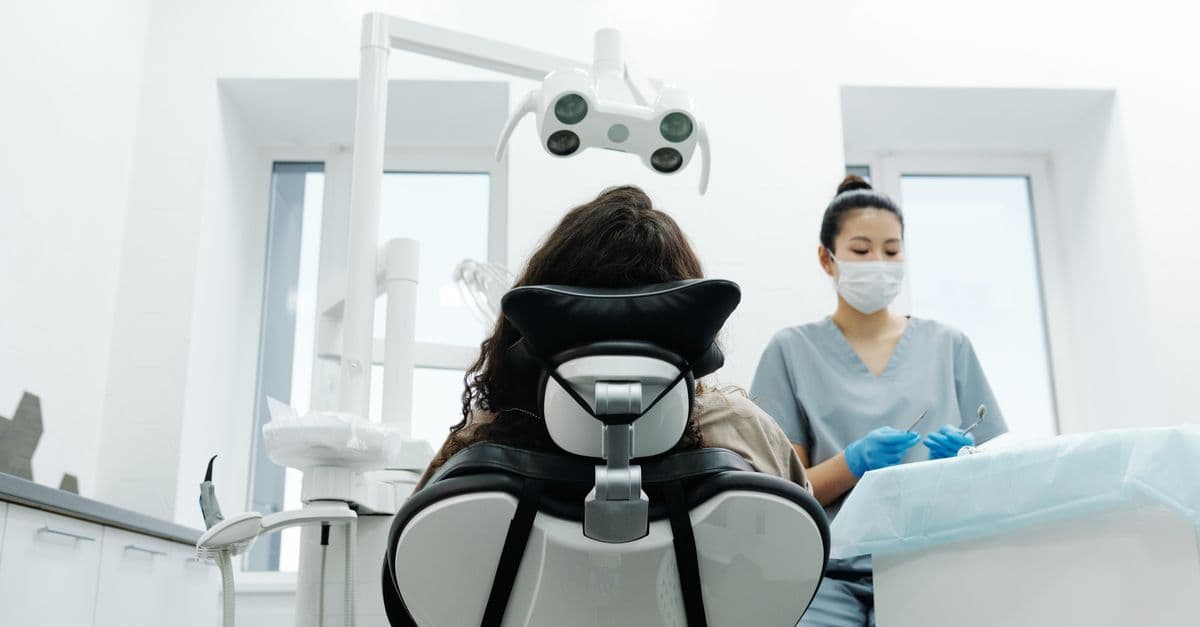
For dental practices and clinics
The chair only earns when somebody is sitting in it.
Fewer empty chairs, a phone that is never engaged, and patient data handled with the care it deserves.
A dental practice is a small business with an unusual cost structure. The surgeries, the equipment, the nurse and the clinician are paid for whether or not the next patient arrives, which means an empty slot is not a small loss, it is the whole hour. Almost everything that helps a practice financially comes back to keeping the diary full and keeping patients coming back.
At the same time reception is trying to do three jobs at once: greet the person in front of them, answer a phone that rings constantly, and chase the paperwork of treatment plans, referrals and recalls. The patient who rings at half past twelve and gets an engaged tone is often a new patient, and often does not ring twice.
And underneath all of it sits patient information. Dental records include health data, which under UK GDPR is special category data and carries additional obligations. We are not lawyers and we will never tell you that buying something makes you compliant. What we can do is make sure the practical foundations are sound, because in our experience that is where practices are usually most exposed.
Sound familiar?
- Failed appointments and late cancellations leaving expensive gaps that cannot be filled at short notice
- Reception answering the phone all day, so the patient who rings at lunchtime gets an engaged tone
- Recalls that depend on someone remembering to send them
- Patient records that must be handled carefully, on systems nobody has looked at properly in years
What we do about it
- Online booking with reminders and a short notice list, so a cancellation is offered to somebody who wants it
- Phone system that shows who is waiting, never gives an engaged tone, and lets calls be picked up from anywhere in the building
- Recalls and treatment plan follow ups sent automatically, in the practice's own words
- Access, backups and device security reviewed properly, because dental records are among the most sensitive data any small business holds
A day that probably looks like yours
Nothing here is a disaster. That is rather the point: this is an ordinary day, and the cost is spread so thinly that nobody ever adds it up.
- 08:20First patient of the day does not arrive and does not ring.An hour of surgery time that cannot be sold to anybody else.
- 10:15Three calls come in at once. Two get an engaged tone.One was a new private patient enquiry, who rings the practice down the road.
- 12:40A patient rings to cancel tomorrow afternoon.Nobody has time to work through a waiting list, so the slot stays empty.
- 14:30Recalls for the month have not been sent because reception has not had a clear hour.The most reliable income the practice has, quietly not happening.
- 16:00A patient asks for a copy of their records and images.Half an hour of hunting across the practice system, a scanner and an old folder.
- 18:10The practice server backs up to a drive in the same room. Nobody has tested a restore.An untested backup, holding the most sensitive data the business has.
The empty chair is the whole problem
Failed appointments and short notice cancellations are the largest single controllable cost in most practices, and the usual response, a policy and a charge, treats the symptom. Most people who fail to attend have not made a decision to waste your time. They forgot, or their circumstances changed and ringing to say so felt embarrassing, so they said nothing at all.
Reminders work because they remove both problems. A message a few days before, and another the day before, catches the genuine forgetting. Making it trivially easy to move the appointment from that message catches the rest, because a patient who can rearrange with two taps will do it, where the same patient will not make the phone call.
The second half is filling the gap once it appears. A short notice list of patients who have said they would come sooner if something opened up turns a cancellation into a message that goes out immediately, rather than a slot that sits empty because nobody had a free twenty minutes to work down a list by phone.
A phone that never gives an engaged tone
For a practice, the telephone is the front door. It is also the thing most likely to be handling three people at once while a patient stands at the desk waiting to pay. Traditional systems answer this badly: a caller either gets through, gets voicemail or gets an engaged tone, and the last of those is simply a lost patient.
A modern cloud phone system removes the engaged tone entirely, shows reception how many people are waiting and how long they have been there, and lets any handset in the building answer any call. Calls can be routed differently at lunch, after hours or during a training afternoon without anyone plugging anything in.
It also produces the numbers nobody currently has. How many calls came in, how many were answered, when the busy times actually are, and how many people hung up waiting. Most practices are surprised by this. It usually shows that the answer is not a bigger diary or more marketing, it is one more pair of hands at eleven in the morning.
Recalls and treatment plans, sent whether or not anyone remembered
The most dependable income in dentistry comes from patients who already know and trust the practice, returning when they are due. That entire stream depends on somebody sending recalls, which in a busy practice means it depends on somebody having a quiet hour, which some months they do not get.
Automating recalls simply removes the dependency. They go out on schedule, in the practice's own tone, by whichever channel the patient prefers, with a way to book straight from the message. It is not a marketing campaign, it is a reminder patients are usually glad to receive, and it is the cheapest work a practice will ever win.
The same applies to treatment plans that were discussed and never started. A proposal for treatment that a patient wanted to think about is not a rejection, but with nothing following it up it becomes one by default. A polite, non pushy follow up a few weeks later, offering to answer questions, converts a meaningful share of those conversations into booked care.
Patient data, handled with the care it deserves
Dental records contain health information about identifiable people, which UK GDPR treats as special category data with extra requirements around how it is handled, who may see it and how long it is kept. Practices already know this. What is often missing is not awareness but the practical detail underneath: who actually has access to the practice system, whether accounts of former staff are still active, whether devices are encrypted, and whether the backup would restore if the server died tonight.
We do not give legal advice and we will not certify anyone as compliant. That is a matter for your own advisers, your indemnity provider and your regulator. What we do is the technical groundwork: reviewing who can reach what, tightening access so people see only what their role needs, putting multi factor authentication on anything reachable from outside, encrypting laptops, and testing that a restore actually works rather than assuming it.
There is a security dimension too, and it is not theoretical. Small healthcare businesses are attacked precisely because their data is sensitive and their defences are often modest. The measures that help most are unglamorous: keeping systems updated, removing access the day someone leaves, having a backup that is separated from the main system, and training the team to recognise the sort of email that starts most incidents.
Real examples
Illustrative cases drawn from the kind of work we do. Tap one to see what happened and what could have been done. We do not name clients without their permission.
The gaps nobody could fill in time
The case
A practice averaged several short notice cancellations a week. Each one was a chunk of surgery time that could not be sold, and reception rarely had a spare half hour to ring round patients who might come in sooner, so the slots simply went unused.
What could have been done
Keeping a list of patients who have said they would take an earlier appointment, and messaging them automatically the moment a slot opens, turns most of those gaps back into treated patients. The list already exists in the practice's head; it just needs somewhere to live and something to send from it.
The new patient who got an engaged tone
The case
A practice ran advertising for private treatment and could not understand why the enquiries were not converting. Call records from the new phone system showed a significant number of calls, particularly around lunchtime, that never got through at all.
What could have been done
A phone system that queues calls rather than engaging them, shows reception who is waiting, and allows a second person to pick up at the busy hour, means the marketing already being paid for actually reaches a human being. The problem was never the advertising.
The backup in the same room as the server
The case
A practice backed up its patient management system nightly to an external drive sitting next to the server. It had never been tested, and a fire, flood or theft would have taken both at once. The data on it included clinical records and images for thousands of patients.
What could have been done
Adding a second, separated copy held away from the building, and actually testing a restore rather than trusting the green tick, changes an assumption into a fact. Given what dental records contain, that is one of the highest value hours a practice can spend, and it costs very little.
What dental practices and clinics usually ask us for
VoIP and cloud telephony
Business phone systems that follow your team anywhere. Number porting, call routing, voicemail to email, and call recording where you need it.
£18 to £35/user/month
Cyber security and Cyber Essentials
Certification, hardening, monitoring and staff training. The paperwork your customers and insurers keep asking for, and the protection underneath it that actually keeps you trading.
£3,000 to £6,000
IT support and managed service
A named engineer who knows your setup, agreed response times in writing, and no ticket queue purgatory.
£55 to £150/user/month
Website design and build
Fast, accessible sites that load in under two seconds and read well on a phone. Built to be edited by you, not held hostage by us.
£4,000 to £8,000
Reputation and review management
The stars people see before they ever call you. We make getting good reviews part of your day-to-day, keep an eye on what is said, and help you handle the odd bad one well.
£300 to £900/month
Common questions
Will any of this replace our practice management software?
Almost never, and we would be cautious of anyone suggesting it lightly. Clinical systems in dentistry are chosen for good reasons and moving them is disruptive. Our work usually sits around it: the phones, the reminders, the website and booking, the security and the backups. Where a sensible connection to your existing system exists, we will use it.
Can you tell us whether we are GDPR compliant?
No, and anyone who says they can from the outside should be treated carefully. Compliance is a matter for the practice with its own advisers and regulator. What we can do is look honestly at the technical side, access, backups, devices, updates and accounts, and give you a plain list of what we found and what we would fix first.
Our patients are older and many do not use apps. Does messaging still work?
In practice yes, because the messages go by text and by email rather than requiring an app, and phoning remains available for anyone who prefers it. Nothing here should remove a route for a patient who wants to speak to a person. It should reduce the number of routine calls so there is more time for the people who need one.
Is it appropriate to chase patients about treatment they have not booked?
It depends entirely on the tone, and that is the practice's call, not ours. A single polite message offering to answer questions is very different from repeated pressure. We would build whatever you are comfortable with, and we would rather build something restrained that the team is happy to put its name to.
We have one part time person handling all the admin. Will this create more work for them?
It should take work off them, or it is not worth doing. Recalls, reminders and rebooking are exactly the sort of repeated tasks that stop needing a person. The realistic picture is a short setup period where they are more involved, then noticeably less routine work afterwards.
Not quite your trade?
Plumbers and heating engineersElectriciansSalons and barbersGarages and MOT centresAccountants and bookkeepersContact centres and sales teamsBuilders and construction firmsJoiners and carpentersLandscapers and grounds maintenanceCleaning and facilities companiesCafes, restaurants and takeawaysEstate and letting agentsCare homes and home care providers
Admin Rescue for dental practices and clinics
A job management system built around how you actually work. Missed calls text back automatically, quotes go out in minutes, and everything lands in your accounts software without you retyping it.
from £2,400 setup then £150/month