Loading…
Services · Admin
Reporting and dashboards
The three numbers that actually run your business, on one screen, updated without anyone building a spreadsheet.£5,000 to £10,000
What reporting and dashboards actually means
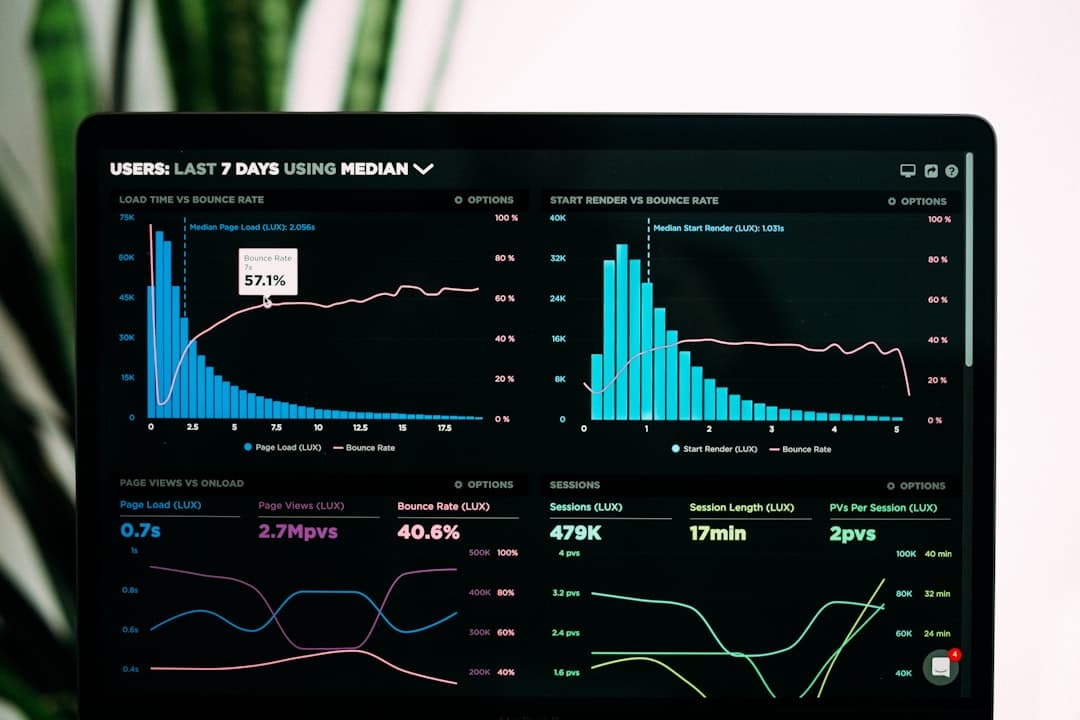
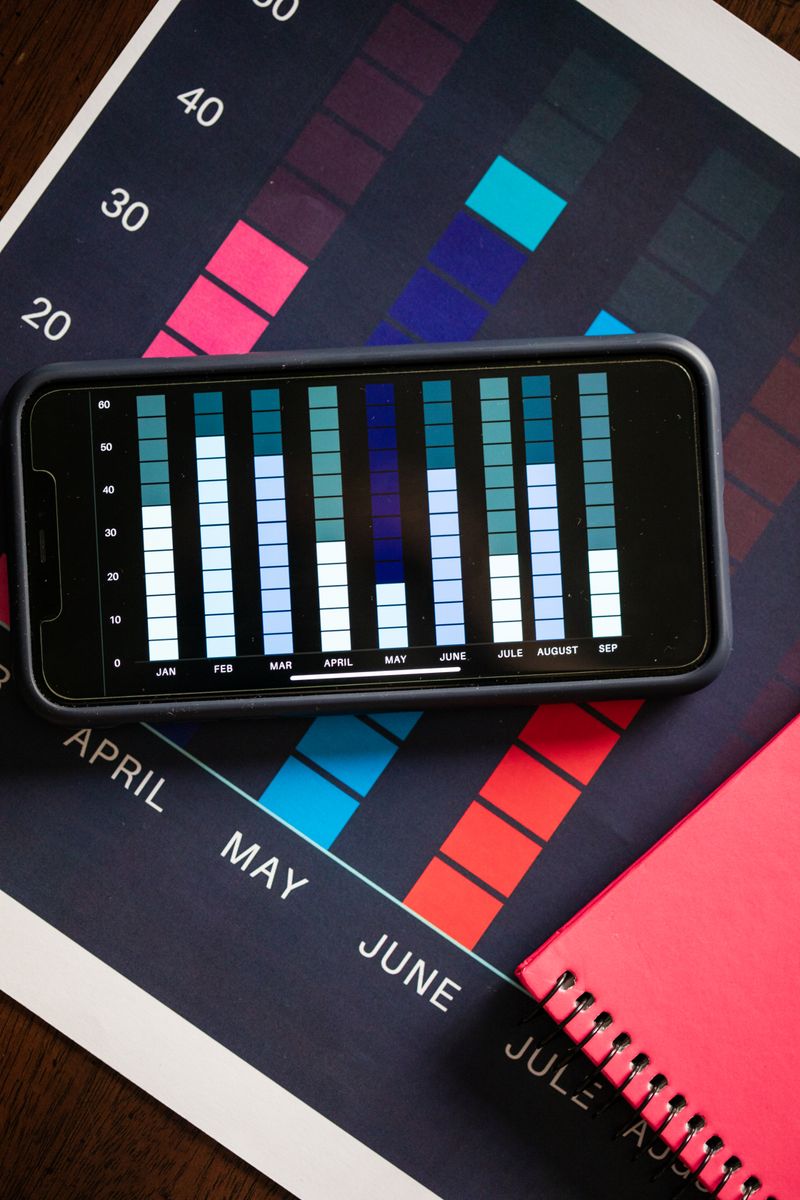
Reporting and dashboards means taking the handful of numbers that actually tell you how your business is doing and putting them on one screen, updated automatically, so you can see at a glance where things stand without anyone building a spreadsheet. Not a wall of charts nobody reads, but the two or three figures that genuinely run the place, sales, cash, the pipeline, whatever yours are, live and in plain sight.
The usual reality is worse than most owners admit. The important numbers live scattered across different systems, the accounts here, the sales tool there, a spreadsheet on someone's laptop, and pulling them together means someone spends hours each week or month copying and pasting into a report that is out of date by the time it is finished. So the report either eats real time or does not get done, and decisions get made on a feeling rather than a figure.
A dashboard fixes this by letting the machines do the gathering. It connects to the systems you already use, pulls the figures automatically, and keeps itself current with no one touching it, so the numbers are always there and always fresh. This is work computers do effortlessly and continuously in a way a person never could: watching every system at once, updating the moment something changes, and never getting bored or behind. The people are freed to act on the numbers instead of assembling them.
See it work
Rather than take our word for it
Pick something that happens in your day and watch the busywork run itself.
Try one:
TriggerEmail lands with a PDF invoice attached
A scripted demonstration of a real workflow shape. We build these against your own tools, so the exact steps and systems are yours.
How it helps your business
The first benefit is decisions made on facts instead of feelings, in time to matter. When the real state of the business is on a screen you glance at daily, you spot the dip while it is still small, catch the customer quietly drifting away, and see whether a change worked, rather than finding out months later in the year-end accounts. Most costly business mistakes are not bad decisions so much as late ones, and current numbers are what make decisions early.
The second is the time and error you stop pouring into building reports by hand. Every hour spent copying figures into a spreadsheet is an hour not spent running the business, and every hand-built report is a chance for a wrong cell to send you the wrong way. Automating the gathering removes both: the report builds itself, correctly, every time, and the people who used to assemble it get their time back for the work only they can do.
The third is that it aligns everyone around the same, honest picture. When the team, the owner and the accountant are all looking at one live set of numbers rather than three different spreadsheets of different ages, the arguments about whose figures are right simply stop. Everyone can see the same reality, which makes it far easier to agree what is going well, what is not, and what to do about it.

What is included
- The few numbers that actually run your business, on one screen
- Pulled automatically from the systems you already use
- Updated on its own, with no one building a spreadsheet
- Plain and readable, on a phone as well as at a desk
Real examples
Illustrative cases. Tap one to see what happened and what could have been done.
The weekly report that ate a day
The case
An operations manager spent most of a day every week stitching numbers from four different systems into a report for the directors, which was already going stale as it was sent.
What could have been done
Connecting those systems to a single dashboard that updates on its own means the report simply exists, live, whenever anyone looks. The manager gets a day a week back and the figures are finally current instead of a week old.
The drift nobody saw until year end
The case
A service business only really understood its performance once a year when the accounts arrived, and by then a slow decline in one part of it had been running unnoticed for months.
What could have been done
Putting its core numbers on a dashboard the owner sees daily means the next time a key figure starts to slide it is noticed within a fortnight instead of a year, traced to a lapsed referral source, and fixed before it does serious damage.
Ready to sort reporting and dashboards?
Tell us what is going wrong and we will come back with a fixed price in writing, after a short scoping call. No obligation, and no jargon.
Common questions about reporting and dashboards
How much does reporting and dashboards cost?
£5,000 to £10,000. We agree the exact number before any work starts, so there are no open ended day rates.
How long does reporting and dashboards take?
Most work of this kind is live within three to four weeks. We give you a date before we begin and tell you early if anything threatens it.
Do you work outside Edinburgh?
Yes. We are based in Edinburgh and work on site across the Lothians, Fife and Glasgow, and remotely across the United Kingdom.
Reporting and dashboards in your area
Same service, same prices, wherever you are. On site across central Scotland and remotely across the rest of the UK.
Reporting and dashboards in EdinburghReporting and dashboards in LeithReporting and dashboards in FifeReporting and dashboards in Livingston and West LothianReporting and dashboards in GlasgowReporting and dashboards in DundeeReporting and dashboards in Aberdeen and the north eastReporting and dashboards in StirlingReporting and dashboards in FalkirkReporting and dashboards in Perth and PerthshireReporting and dashboards in LondonReporting and dashboards in ManchesterReporting and dashboards in BirminghamReporting and dashboards in LeedsReporting and dashboards in LiverpoolReporting and dashboards in SheffieldReporting and dashboards in BristolReporting and dashboards in Newcastle upon TyneReporting and dashboards in NottinghamReporting and dashboards in LeicesterReporting and dashboards in CoventryReporting and dashboards in CardiffReporting and dashboards in SwanseaReporting and dashboards in BelfastReporting and dashboards in SouthamptonReporting and dashboards in BrightonReporting and dashboards in ReadingReporting and dashboards in Inverness
Related admin services
Virtual administrator
A trained administrator working on your business remotely, backed by automation so they get through several times the work.
Call answering and reception
Your calls answered in your company name, triaged, and passed on properly. Nothing goes to voicemail.
Document processing
Invoices, delivery notes, timesheets and forms read automatically and filed where they belong, with a person checking the edge cases.
Bookkeeping support
Receipts captured, transactions categorised and month end tidied, ready for your accountant rather than dumped on them.
Fractional IT director
The strategic conversation most small businesses never get: what to spend, what to retire, what the real risks are, and what to ignore.
Admin Rescue
Stop missing calls. Stop quoting at midnight.